The Line
“What sentence stopped you?”underline it
Each month, twelve annotators read one book together, stories of courage, exile, and the quiet defiance of being a woman. We meet monthly to ask three important questions: the line, the friction, the mirror.
She had learned to read the way other women learned to keep house — quietly, thoroughly, and in the hours nobody thought to ask about. What she found there she kept in pencil, in the white space at the edge of the page, where no one had thought to look for her.
This. All of it.It is a small rebellion, to write yourself into someone else's story.
For women who read with the whole self.
The next sitting hasn't been announced yet.
Read closely, SallyMost book clubs treat the meeting as an excuse. Her Margins treats the book as the point. Every month we sit with one country's women writers — navigating exile, motherhood, ambition, and the ordinary battles nobody writes home about.
Reading along costs nothing and takes no application: the book and the month's conversation live in our community, open wherever you are. The sitting itself stays small on purpose — small enough that no one hides in the back row.
Read our reason for being →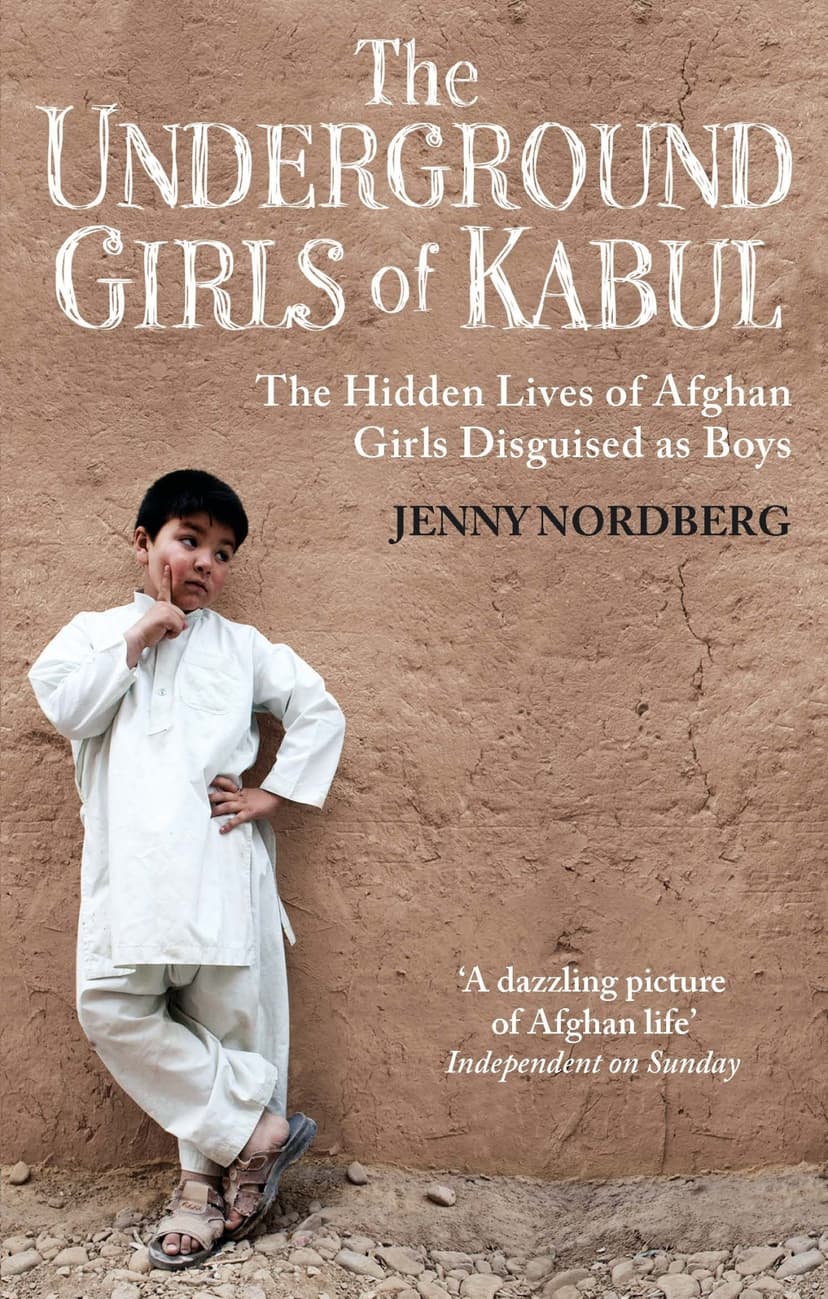
The Underground Girls of Kabul examines bacha posh the Afghan tradition of raising daughters as sons when a family has no male heir. Journalist Jenny Nordberg spent years reporting on this hidden practice, interviewing families across Afghan society, from rural households to Kabul’s political elite. The book follows several central figures: a young girl currently living as a boy so her family can avoid social shame; a teenager forced back into womanhood at puberty and struggling with the transition; and Azita, a member of Afghan parliament who was raised as a boy herself and later disguises her own daughter the same way showing how the practice persists even among educated, progressive families. Nordberg unpacks the practical logic behind it sons can work, escort female relatives in public, and bring status to a family without one while also tracing the deeper cost: girls who’ve tasted the freedom of moving through the world as boys, only to be pulled back into restriction, often carry lasting confusion about identity, gender, and where they belong. At its core, the book is less about disguise and more about what a society is willing to bend briefly, secretly before snapping back to enforcing the roles it insists on for women.
"Being a son, even briefly, taught her exactly what being a daughter had cost her."
The next sitting hasn't been announced yet.
no clever answer required ↘
“What sentence stopped you?”underline it
“What made you uncomfortable?”don't smooth it over
“What part of yourself did you not want to come to terms with?”look twice
We announce the country we're reading and the book itself — here and on Instagram. No form, no gate. Anyone can read along.
The book reaches everyone in the community, with no limit on where you live. Essays, Substacks and video essays arrive through the month, and the conversation runs online alongside them.
Registration for the twelve seats opens on the Friday before the sitting and closes at midnight on the Saturday. Signing it is how you say the book is finished and you'll be in the room.
The sitting is physical, and everyone there has read the whole book. We move through the line, the friction, and the mirror — page to world to self.
The book goes out to everyone at the start of the month, wherever you are. Seats for the sitting open on the Friday before it.